
Best Snorkeling in St. Thomas, US Virgin Islands
A Local Guide to the Clearest Water and Healthiest Reefs
If you are searching for the best snorkeling in St. Thomas, you are already on the right track. The island is ringed with reef systems, protected coves, and shallow marine habitats that make it one of the most accessible snorkeling destinations in the Caribbean. What most visitors do not realize is that conditions change daily based on wind direction and swell and knowing where to go makes all the difference.
This guide is written from the perspective of someone who lives here and is in the water snorkeling multiple times a week. So the honest truth is the list here may be great one day and not the next. Not every beach is right every day. The Northside can be crystal clear one morning and stirred up the next. The south side can be calm when the Atlantic is rolling. Timing and location matter.
Below are the best snorkeling spots in St. Thomas, plus practical tips to help you make the most of your time in the water.
Top Snorkeling Spots in St. Thomas
Coki Point Beach
Coki is one of the most popular snorkeling beaches on the island, and for good reason. The reef sits close to shore, which makes it ideal for beginners and families. You can wade in, put your mask down, and immediately see fish.
Expect to see:
Blue tang
Sergeant majors
Parrotfish
Occasional rays in the sandy channels
The reef structure is healthy and active, especially on calm days. Go early in the morning for the best visibility and fewer crowds.
Brewers Bay
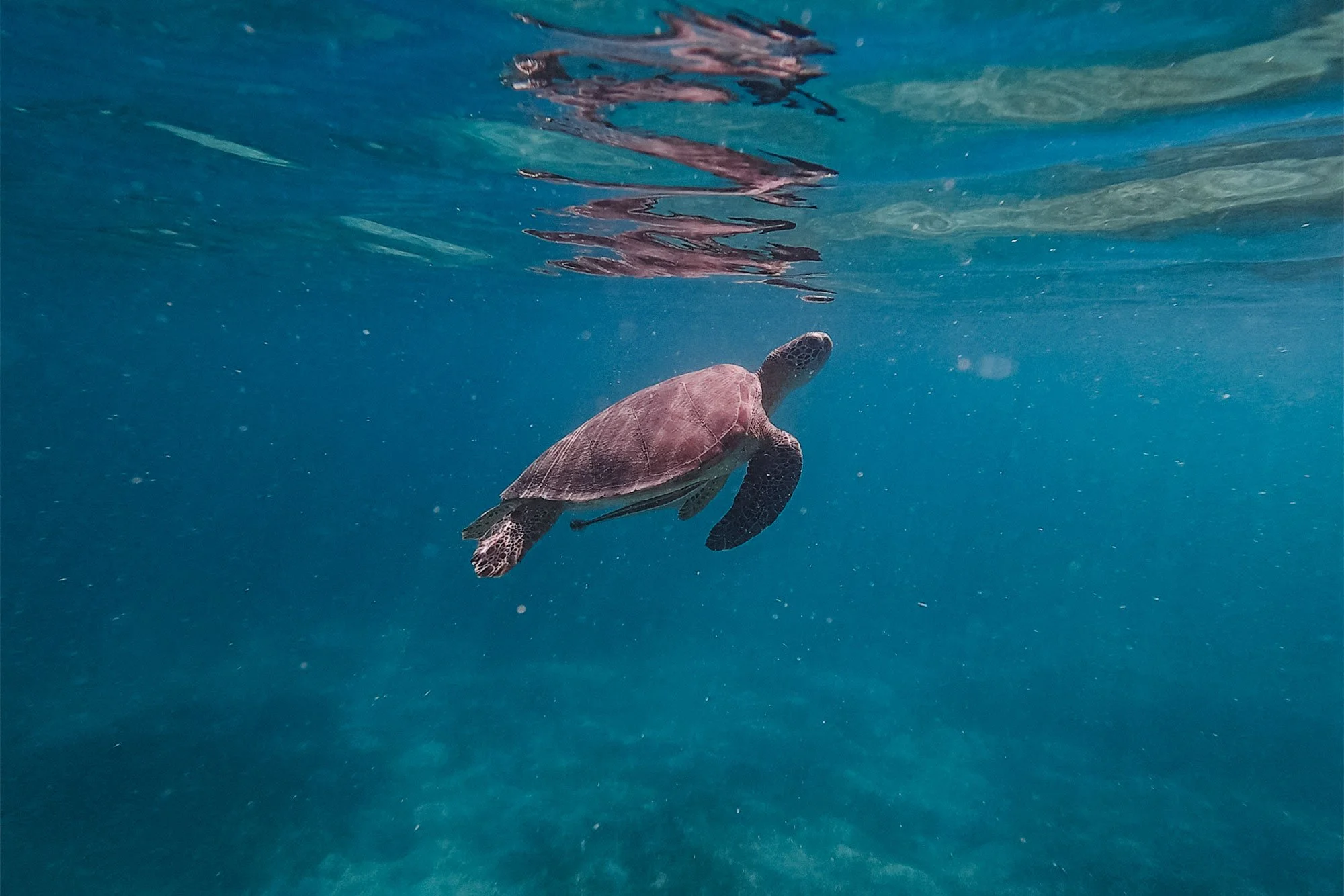
Brewers Bay is one of the most underrated snorkeling spots on St. Thomas. There isn’t a reef here, but the real draw here is the seagrass beds that stretch across the bay. This is one of the most reliable places on the island to encounter sea turtles in their natural habitat.
Green sea turtles regularly graze in the shallow grass, often completely unfazed by respectful swimmers who keep their distance. If you move slowly and stay calm, you can observe them feeding and surfacing for air.
Spotted eagle rays are also seen here, usually gliding over the sandy bottom or cruising the edge of the grass beds. These sightings are never guaranteed, but Brewers consistently offers some of the best chances.
Visibility tends to be best in the morning before afternoon winds build. Swim along the edges where grass meets sand for the highest likelihood of marine life encounters.
If seeing turtles is at the top of your list, Brewers Bay should be one of your first stops
Secret Harbour Beach
Secret Harbour is known for its protected cove and typically calm water. When the Northside is rough, this south facing beach often stays clear and swimmable.
The reef runs along both sides of the bay. Swim toward the rocky edges rather than straight out into the sand flats. This is a great location for relaxed snorkeling, couples, and anyone who prefers predictable conditions.
Sea turtles are occasionally spotted here, especially in the seagrass areas.
Sapphire Beach
Sapphire offers a wider reef system and deeper sections for stronger swimmers. The snorkeling improves as you move toward the rocky points on either end of the beach.
On calm mornings, visibility can stretch far across the reef. You may see:
Queen angelfish
Barracuda
Schools of baitfish
Coral heads with active reef life
Because Sapphire is more open to wind, check conditions before committing. When it is good, it is very good.
Hull Bay
Hull Bay is more seasonal and better suited for confident swimmers. During summer months when the Northside lays down, this area can offer beautiful snorkeling along the rocky shoreline. We prefer the area off to the far left if you’re looking out at the water. Swimming out to one of the far left moorings, you’ll find 20 foot of water and huge parrotfish at every developmental stage.
During winter swells, it is often rough and better for surfing than snorkeling. If you are unsure, ask a local before heading in.
When calm, the marine life here feels wilder and less trafficked.
When Is the Best Time to Snorkel in St. Thomas
Snorkeling conditions depend more on wind direction than season.
North swell and strong trade winds can stir up Atlantic facing beaches. South and west facing beaches often stay calmer during those periods.
General guidelines:
Early morning usually offers the clearest water
Summer months tend to bring calmer Northside conditions
After heavy rain, runoff can reduce visibility near shore. In fact, you’re probably best to stay out of the water the day after it rains for a variety of reasons we might cover later ;)
If you wake up to whitecaps on one side of the island, drive to the other. There is almost always a swimmable option somewhere.
Final Thoughts on the Best Snorkeling in St. Thomas
The best snorkeling in St. Thomas is not about a single beach. It is about reading the conditions, choosing the right shoreline, and using quality gear.
On the right morning, the water turns glassy and the reef feels alive. Light moves through coral heads, schools of fish shift as one, and the island quiets beneath the surface.
If you plan well, start early, and respect the water, St. Thomas offers some of the most accessible and rewarding snorkeling in the US Virgin Islands.
And once you see it for yourself, you will understand why so many of us never get tired of putting on a mask and swimming out just a little farther.